

Quick answer
A finland northern lights trip works best between September and March, when polar nights provide sustained darkness and geomagnetic activity peaks. Lapland—Finland's northernmost region—offers the country's most reliable aurora viewing, with displays visible on roughly 200 nights per year under clear skies. The phenomenon occurs naturally in public areas across the region at no cost, though timing and weather determine success.
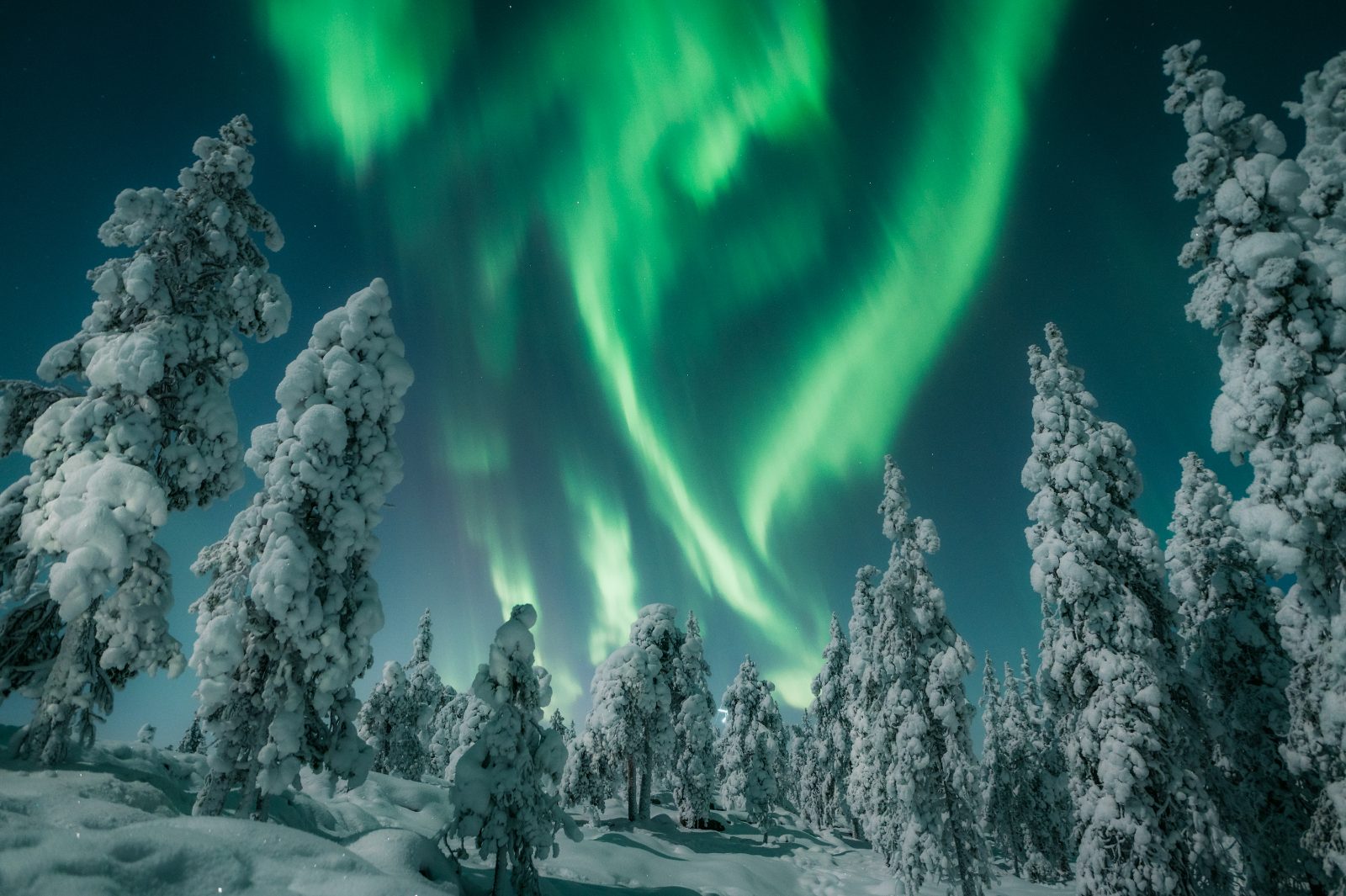
The aurora oval—a ring of geomagnetic activity circling the magnetic pole—passes directly over Finnish Lapland, placing the region inside the zone where auroras appear most frequently and at lower geomagnetic thresholds than locations farther south. This geographic position makes a finland northern lights trip statistically more successful than chasing displays in southern Scandinavia or central Europe, where auroras require stronger solar storms to become visible. Darkness duration determines viewing opportunity as much as solar activity does. Between late May and mid-August, Lapland experiences the midnight sun—continuous daylight that renders auroras invisible even when geomagnetic conditions favor them. The aurora season begins in late August, when nights return and lengthen through autumn. By December, polar night settles over the northernmost parts of Lapland, providing near-24-hour darkness. This extended window allows for flexible viewing schedules: auroras can appear at any hour, though activity typically intensifies between 21:00 and 02:00 when the aurora oval aligns with Finland's longitude. Lapland's aurora zone stretches across multiple municipalities, each offering different infrastructure and natural backdrops. Rovaniemi sits on the Arctic Circle and serves as the region's transport hub, with direct flights from Helsinki and rail connections from the south. Farther north, Inari and Utsjoki lie deeper within the aurora oval, increasing statistical likelihood but requiring longer travel. Kilpisjärvi, near the Norwegian and Swedish borders, combines high-latitude positioning with mountainous terrain that creates dramatic foreground compositions. Finnish Lapland also offers lower light pollution than coastal Norway, where towns and infrastructure brighten the horizon. Cloud cover remains the primary obstacle to aurora viewing in Finland. Atlantic weather systems move east across Scandinavia, bringing overcast skies that obscure displays even during strong geomagnetic storms. Multi-day stays improve odds: a three-night visit typically includes at least one clear evening, while single-night attempts carry higher risk of cloud interference. Real-time aurora forecasts—available through the Finnish Meteorological Institute—track both geomagnetic activity (measured by the KP index) and cloud cover predictions, allowing visitors to time their viewing attempts within their available window. The aurora itself requires no ticket, no reservation, and no designated viewing area; it appears across the entire sky wherever darkness and clear conditions align.
“The aurora oval passes directly over Finnish Lapland, placing the region inside the zone where displays appear on roughly 200 nights per year under clear skies.”
How to Reach Remote Locations for a Finland Northern Lights Trip
The primary locations for viewing the northern lights in Lapland, Finland, are situated in remote northern territories. The most effective approach involves flying into regional airports such as Rovaniemi, Kittilä, or Ivalo, followed by local ground transport to reach darker areas away from light pollution.
Helsinki-Vantaa Airport (HEL) to Rovaniemi Airport (RVN)
VR Night Train from Helsinki to Rovaniemi
Matkahuolto bus routes from Rovaniemi to remote wilderness areas
E75 highway north toward Ivalo
Preparation Checklist for a Successful Finland Northern Lights Trip
Lapland temperatures regularly drop below -20°C in winter, so proper gear is essential for safely viewing the aurora.
-
Pack insulated winter boots rated to -30°C — Snow and ice make standard footwear unsafe and uncomfortably cold.
-
Bring thermal base layers and wool mid-layers — Multiple clothing layers trap heat better than a single thick jacket.
-
Carry a headlamp with red-light mode — Red light preserves night vision while navigating dark viewing locations.
-
Download aurora forecast apps before departure — Real-time KP index and cloud data help you choose optimal viewing nights.
-
Bring extra camera batteries in inner pockets — Cold drains lithium batteries rapidly; body heat keeps backups functional.
-
Pack hand and toe warmers — Chemical heat packs provide emergency warmth during extended outdoor waits.
-
Charge devices fully before 21:00 each night — The 21:00–02:00 window offers peak aurora activity and you'll need working cameras.
Mistakes to Avoid During Your Finland Northern Lights Trip
Natural light displays follow no schedule, and Arctic conditions demand more preparation than most visitors anticipate. These oversights account for the majority of disappointing trips.
Assuming clear skies guarantee a display
Solar activity drives aurora visibility—cloud-free nights with low geomagnetic activity produce nothing. Monitor KP index forecasts and plan multiple viewing nights to improve your odds.
Wearing everyday winter clothing
Lapland temperatures regularly drop below -20°C during peak season. Thermal base layers, insulated boots rated to -40°C, and windproof outer shells are non-negotiable for extended outdoor viewing sessions.
Booking accommodation near city lights
Light pollution from Rovaniemi and other towns obscures faint auroras. Stay at least 30 kilometers outside urban areas or join guided trips to designated dark-sky locations.
Expecting displays during twilight hours
The optimal darkness window runs 21:00–02:00, when the sky is fully dark. Arriving earlier wastes time; departing before midnight cuts your chances significantly.
Relying on a single viewing attempt
Aurora forecasts shift within hours, and weather patterns change rapidly. Building a 3–5 night window into your itinerary accounts for cloudy evenings and weak solar activity periods.
Check availability
Frequently asked questions about finland northern lights trip
Everything you need to know about finland northern lights trip