

Quick answer
The best finland northern lights time falls between 21:00 and 02:00, when skies are darkest and geomagnetic activity peaks. Viewing season runs September through March, with December and January offering the longest nights. Public observation areas across Lapland remain accessible around the clock at no entrance cost, though cloud cover and solar cycles determine whether the aurora actually appears on any given night.
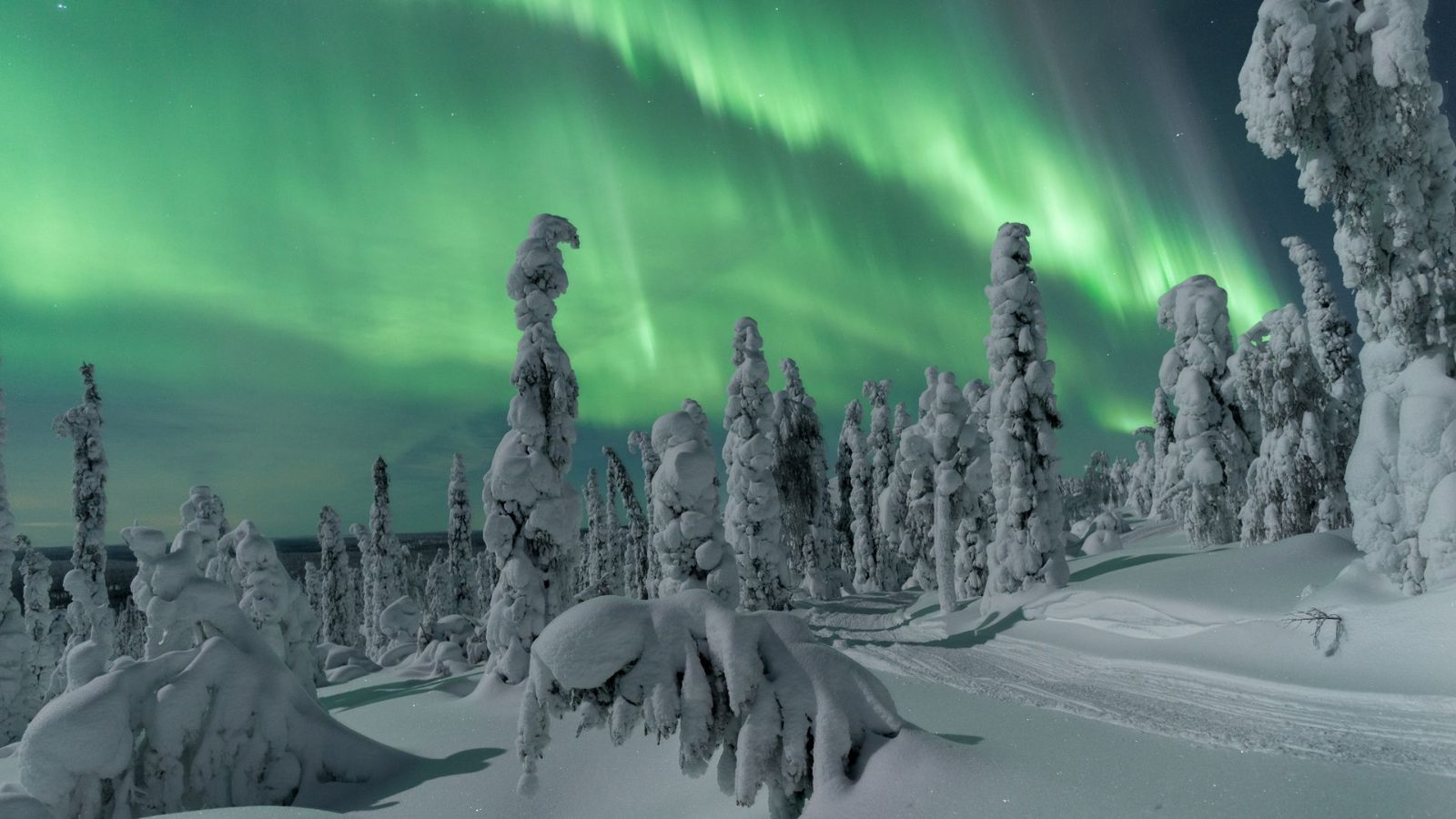
Geomagnetic storms do not respect business hours, yet the aurora borealis in Finland displays a measurable preference for late evening through early morning. Solar wind particles collide with atmospheric gases most visibly when human eyes have adapted to darkness and artificial light fades—a convergence that occurs reliably after 21:00 across northern Lapland. The finland northern lights time window stretches wider in midwinter. December and January nights last nearly twenty hours above the Arctic Circle, offering a viewing corridor that opens by 15:00 and closes near 09:00. September and March compress that window but deliver milder temperatures and the possibility of catching the aurora reflected in unfrozen lakes. Cloud cover remains the primary obstacle; Finnish Meteorological Institute forecasts track both auroral activity and sky clarity three days ahead, allowing travelers to shift locations when coastal fog or storm systems move through. Seasonal patterns matter as much as nightly timing. The equinoxes in September and March coincide with elevated geomagnetic activity, a phenomenon researchers call the Russell-McPherron effect. Solar cycles follow an eleven-year rhythm, with the current cycle peaking through 2026 and delivering stronger displays than the quieter years of 2018–2020. Lapland's position beneath the auroral oval means displays occur on roughly two of every three clear nights during winter, though intensity varies from a faint green glow to vivid curtains that move across the entire sky. Kp-index forecasts measure geomagnetic strength on a scale from zero to nine, with Kp 2 or higher producing visible auroras in northern Finland. Light pollution from Rovaniemi or Levi reduces visibility, pushing serious observers toward Inari, Utsjoki, or the roadless wilderness near Urho Kekkonen National Park. Mobile aurora apps send alerts when activity spikes, but the most reliable strategy remains stepping outside during the optimal viewing window and allowing fifteen minutes for eyes to adjust. The aurora appears when solar conditions permit, not when schedules demand—but knowing the best finland northern lights time means being ready when those conditions align.
“Solar wind particles collide with atmospheric gases most visibly when human eyes have adapted to darkness and artificial light fades—a convergence that occurs reliably after 21:00 across northern Lapland.”
Optimal Finland Northern Lights Time: Seasonal and Hourly Windows
The prime window to witness the Northern Lights in Finnish Lapland spans from late August to early April, when the nights provide sufficient darkness. Within any given night, the best arrival window is 21:00–02:00, as optimal darkness and geomagnetic activity typically occur during these hours.
September to October
Low to moderateCool, 0°C to 10°C
Autumnal equinox activity often increases geomagnetic occurrences. Clearer skies are common before winter snows settle.
November to January
ModerateCold, -15°C to -5°C
Long periods of darkness provide maximum opportunity for sightings. Polar night conditions prevail in the northernmost regions.
February to March
HighCold, -20°C to -10°C
Historically the most stable weather period. Increased daylight occurs, but darkness remains sufficient for viewing.
Verdict: The most effective time for viewing is between 21:00–02:00 from February to March, when cold, stable weather conditions often coincide with high geomagnetic activity.
Finland Northern Lights Time: Accessing Viewing Areas
Public viewing areas in Northern Finland are accessible to the public at all times. These locations operate continuously throughout the week.
| Monday | 00:00–23:59 | |
|---|---|---|
| Tuesday | 00:00–23:59 | |
| Wednesday | 00:00–23:59 | |
| Thursday | 00:00–23:59 | |
| Friday | 00:00–23:59 | |
| Saturday | 00:00–23:59 | |
| Sunday | 00:00–23:59 |
Preparation Checklist for Finland Northern Lights Time
Northern Lights viewing in Lapland requires preparation for sub-zero temperatures and optimal activity tracking.
-
Download aurora forecast apps — Real-time KP-index and cloud cover data help you time your viewing window.
-
Pack thermal base layers and insulated outer wear — Temperatures drop to -20°C or lower during peak winter viewing months.
-
Bring spare batteries for cameras and phones — Cold drains lithium batteries rapidly; keep spares warm inside your jacket.
-
Charge portable power banks fully — Extended night sessions require backup power for tracking apps and photography.
-
Prepare a thermos with hot drinks — Staying warm during multi-hour waits improves comfort and patience.
-
Check accommodation heating options — Return warmth matters after hours outdoors in extreme cold.
Reaching Northern Finland for Northern Lights Time
Northern Finland is located in the Lapland region, accessible primarily via air travel to regional airports or through the national rail network. Reaching remote viewing locations often requires secondary transport such as rental cars or local shuttle services.
Helsinki-Vantaa to Rovaniemi Airport
VR Night Train from Helsinki to Rovaniemi
Matkahuolto regional bus services to northern municipalities
E75 highway north toward Lapland
Check availability
Frequently asked questions about finland northern lights time
Everything you need to know about finland northern lights time